Classic Chinese Fried Noodles: A Comforting Culinary Journey
As the aroma of sizzling garlic wafts through my kitchen, I’m instantly transported back to my childhood. Every Sunday, my family would gather for a home-cooked meal, and my grandmother’s Classic Chinese Fried Noodles were the undeniable star of the table. These noodles weren’t just a dish; they were a medley of flavors and memories that shaped my love for cooking. I vividly recall the laughter and stories shared over bowls of those comforting noodles, paired perfectly with vibrant vegetables and savory soy sauce.
What sets my version apart from traditional recipes is that it’s not only easy but customizable to suit any palate. While many recipes call for heavy sauces or obscure ingredients, my approach embraces simplicity without sacrificing taste. I love that this dish brings warmth and nostalgia to the dinner table, perfect for busy weeknights or cozy weekend gatherings. Stick around, and I’ll share my secret to capturing the essence of Classic Chinese Fried Noodles without the fuss.
In this post, you’ll learn how to craft these delightful noodles from scratch, discover some fun variations, and find tips to make sure they turn out perfect every time!
What Are Classic Chinese Fried Noodles?
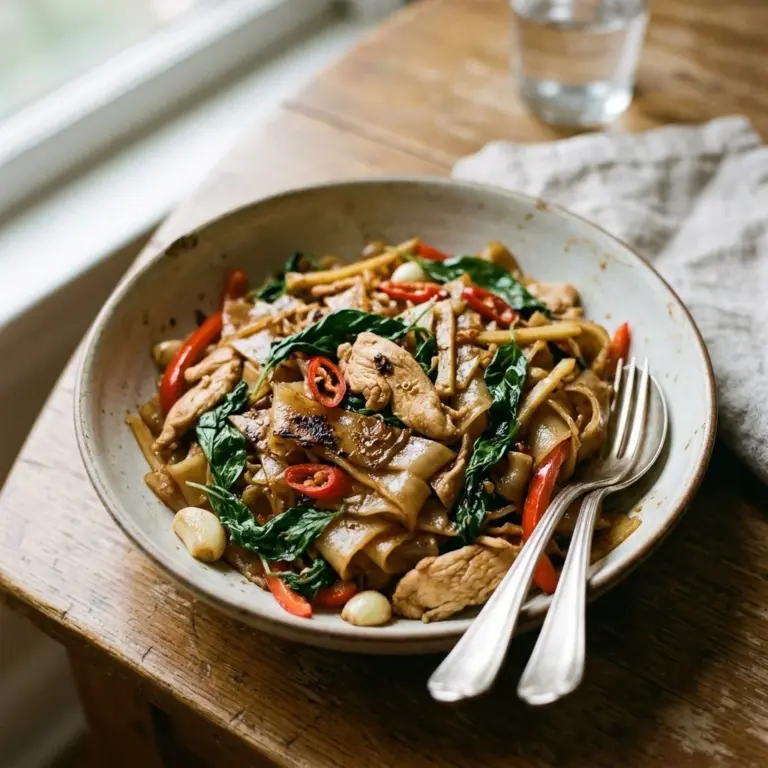
Classic Chinese Fried Noodles, or Chao Mian, originate from the rich culinary traditions of China. This delightful dish features stir-fried noodles tossed with a variety of colorful vegetables and a touch of soy sauce, resulting in an irresistible symphony of flavors. The texture is a perfect balance: the noodles are delightfully chewy, while the vegetables retain their crunch, creating a satisfying contrast in every bite.
Unlike heavy stir-fried dishes, these noodles’ simplicity shines through, making them versatile for any meal. Whether you’re whipping up a quick lunch, preparing a family dinner, or hosting a casual get-together, Classic Chinese Fried Noodles are the ideal choice. They not only provide a hearty meal but also celebrate the essence of home-cooked comfort food.
Why You’ll Love This Recipe
Quick and Easy: This recipe takes less than 30 minutes from start to finish, making it a fantastic option for busy weeknights when you crave something homemade but don’t have the time.
Cost-Effective: By making these noodles at home, you can save money compared to takeout or restaurant prices while enjoying a meal that tastes even better!
Customization Galore: With this recipe, you can swap in your favorite vegetables, add proteins like chicken or tofu, or even incorporate distinct sauces to play with flavors. The possibilities are endless!
Wholesome Ingredients: Unlike many store-bought or restaurant versions loaded with excess sodium and preservatives, this classic recipe allows you to control the quality and freshness of every ingredient.
A Family Favorite: I’ve shared this recipe with many friends, and the common feedback is how it sparks joy and nostalgia. It’s that perfect dish that always brings a smile to faces!
Ingredients
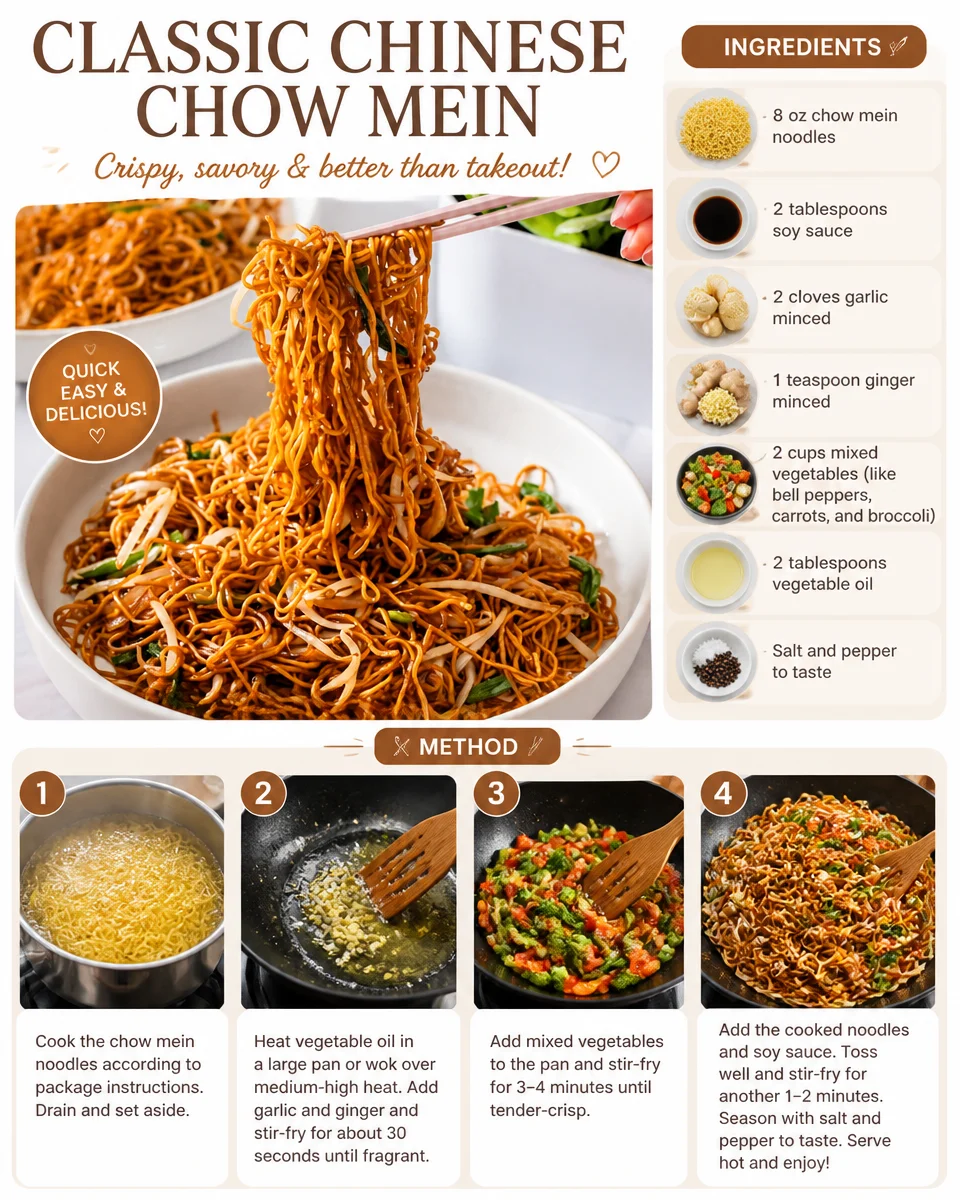
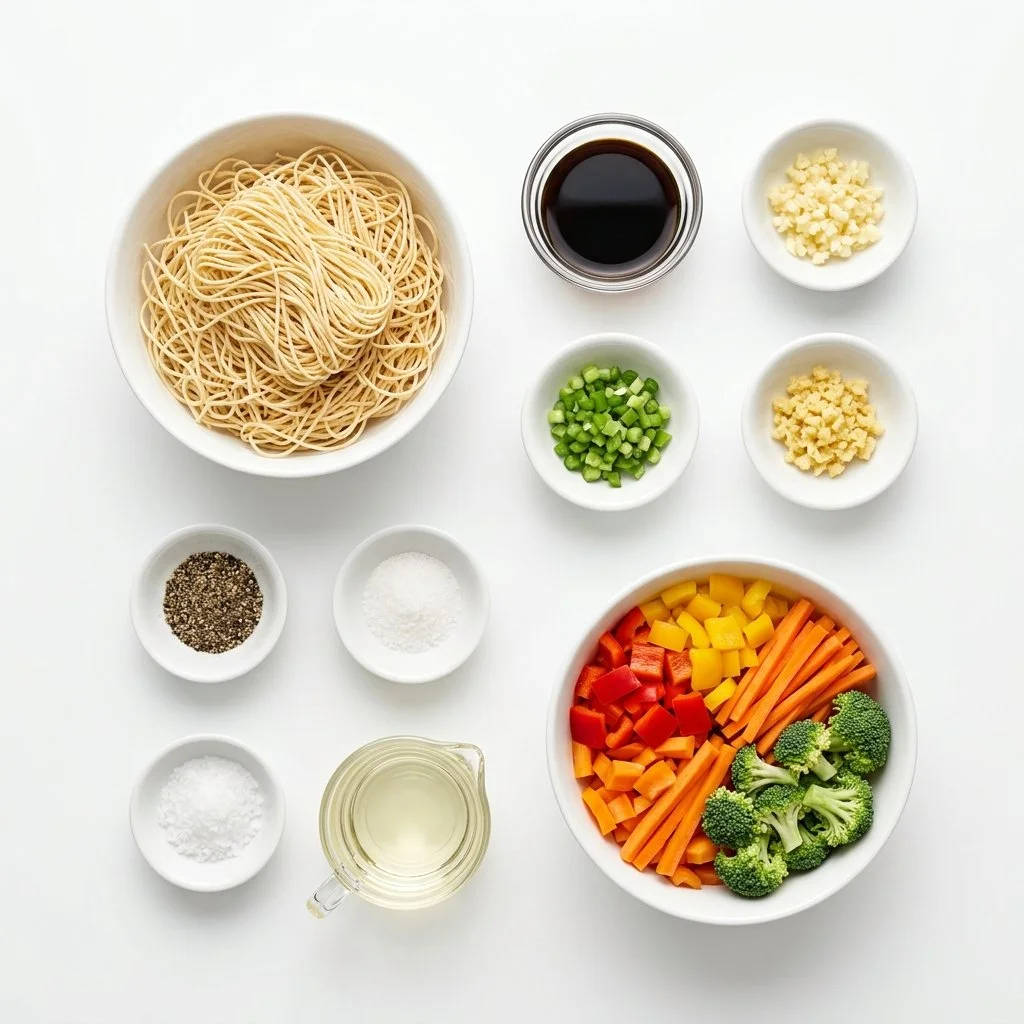
- 8 oz chow mein noodles: Look for fresh noodles if possible; they provide the best texture. If needed, you can substitute with dry ramen or spaghetti.
- 2 tablespoons soy sauce: Use low-sodium soy sauce if you’re watching your salt intake.
- 2 cloves garlic, minced: Fresh garlic adds a genuine flavor boost, but you can use garlic powder if you’re in a pinch.
- 1 teaspoon ginger, minced: Fresh ginger is ideal for that aromatic punch; dry ginger won’t have the same impact.
- 2 cups mixed vegetables: Think bell peppers, carrots, and broccoli. You can also add snap peas, mushrooms, or whatever’s in season!
- 2 tablespoons vegetable oil: Canola or peanut oil works beautifully here for a higher smoke point.
- Salt and pepper to taste: Use them to elevate the flavors as needed.
Prep Notes:
- Ensure your ingredients are prepped and ready to go before you start cooking; this makes the cooking process much smoother!
Step-by-Step Instructions
Cook the Chow Mein Noodles: Begin by boiling a pot of water. Add the chow mein noodles and cook according to the package instructions (usually about 3-4 minutes for fresh; 8-10 minutes for dried). Once cooked, drain and set aside.
Tip: Rinse the noodles in cold water for a minute to stop the cooking process and prevent sticking.
Heat the Oil: In a large pan or wok, heat the vegetable oil over medium-high heat until shimmering.
Sauté Garlic and Ginger: Add the minced garlic and ginger to the hot oil. Stir-fry for about 30 seconds or until fragrant, but be careful not to let it burn!
Add the Vegetables: Toss in your mixed vegetables and stir-fry for about 3-4 minutes. You want them tender yet crisp. Keep the vegetables moving in the pan to ensure they cook evenly.
Combine with Noodles: Add the cooked noodles and soy sauce. Toss everything together using tongs, ensuring the noodles are well coated and heated through (about 1-2 minutes).
Season to Taste: Finally, season with salt and pepper. Serve immediately for the best texture and flavor.
Expert Tips & Troubleshooting
- Avoid Sticky Noodles: Make sure the noodles are cooled and rinsed as mentioned; this makes a world of difference in achieving that perfect texture.
- Storage: Leftovers can be stored in an airtight container for up to 3 days in the fridge. You can reheat them in a pan or microwave, but they taste best fresh!
- Make Ahead: You can prep the vegetables and noodles in advance; just combine everything fresh when you’re ready to eat.
- Common Mistakes: Don’t overcrowd the pan when cooking the vegetables; this leads to steaming instead of stir-frying. Work in batches if necessary!
Serving Suggestions
These Classic Chinese Fried Noodles are perfect on their own, but they can also shine as a side dish! Serve them alongside crispy spring rolls, lightly battered fried tofu, or a flavorful soy-glazed chicken. For presentation, garnish with sliced green onions or sesame seeds for a pop of color. They make a festive addition to dinner parties or casual get-togethers, embodying the spirit of sharing delicious food.
Variations & Substitutions
- Protein-Packed: Adding protein to your noodles enhances the dish’s nutritional value. Try shredded chicken, diced tofu, or shrimp for a delightful twist.
- Spice it Up: If you like heat, a dash of chili sauce or crushed red pepper can take these noodles to a whole new level.
- Seasonal Vegetables: Adapt your mix to incorporate whatever is in season. Think zucchini in summer or Brussels sprouts in fall!
- Dietary Restrictions: For gluten-free needs, opt for rice noodles instead, and check the soy sauce for a gluten-free version.
Nutrition & Storage Info
- Prep Time: 10 minutes
- Cook Time: 15 minutes
- Total Time: 25 minutes
- Yield: 4 servings
- Estimated Calories: Approximately 300 calories per serving
- Storage Instructions:
- At room temperature: 2 hours max.
- Refrigerate: 3 days in an airtight container.
- Freezer: Not recommended, as the texture may become mushy.
FAQ Section
Can I use different types of noodles?
Yes! You can substitute chow mein noodles with lo mein, rice noodles, or even whole grain pasta.What if I don’t have soy sauce?
If you’re out, you could try tamari or a homemade sauce made with miso and vinegar as a substitute.Can I add more vegetables?
Absolutely! Mix in whatever veggies you like or have on hand for extra nutrition and flavor.How do I make these noodles vegetarian/vegan?
The recipe is easily vegetarian and can be made vegan by ensuring any sauces or additional ingredients added are plant-based.What can I serve with these noodles?
They pair wonderfully with spring rolls, dumplings, or even a light salad.How do I prevent soggy noodles?
Cook the noodles just until al dente and rinse them after boiling to remove excess starch.Can I meal prep this dish?
Yes, you can let the cooked noodles and vegetables cool before storing them in the fridge for quick meals during the week.Can I use frozen vegetables?
Yes! Just keep in mind they may release some water while cooking, so stir-fry them a little longer or drain excess moisture if necessary.Can I add sauce?
Definitely! If you love more flavor, feel free to add oyster sauce or sesame oil for that extra kick.How do I adjust the serving size?
Simply adjust the ingredients proportionally. The recipe can easily be halved or doubled as needed.
Conclusion
These Classic Chinese Fried Noodles are more than just food; they hold memories and comfort that I hope to share with you. With their simplicity and ability to adapt to any situation, they’ll surely become a cherished recipe in your household too! Please give them a try and let me know your thoughts in the comments below.
If you enjoyed these noodles, be sure to check out my other recipes for homemade dumplings and spicy Szechuan noodles. Happy cooking!
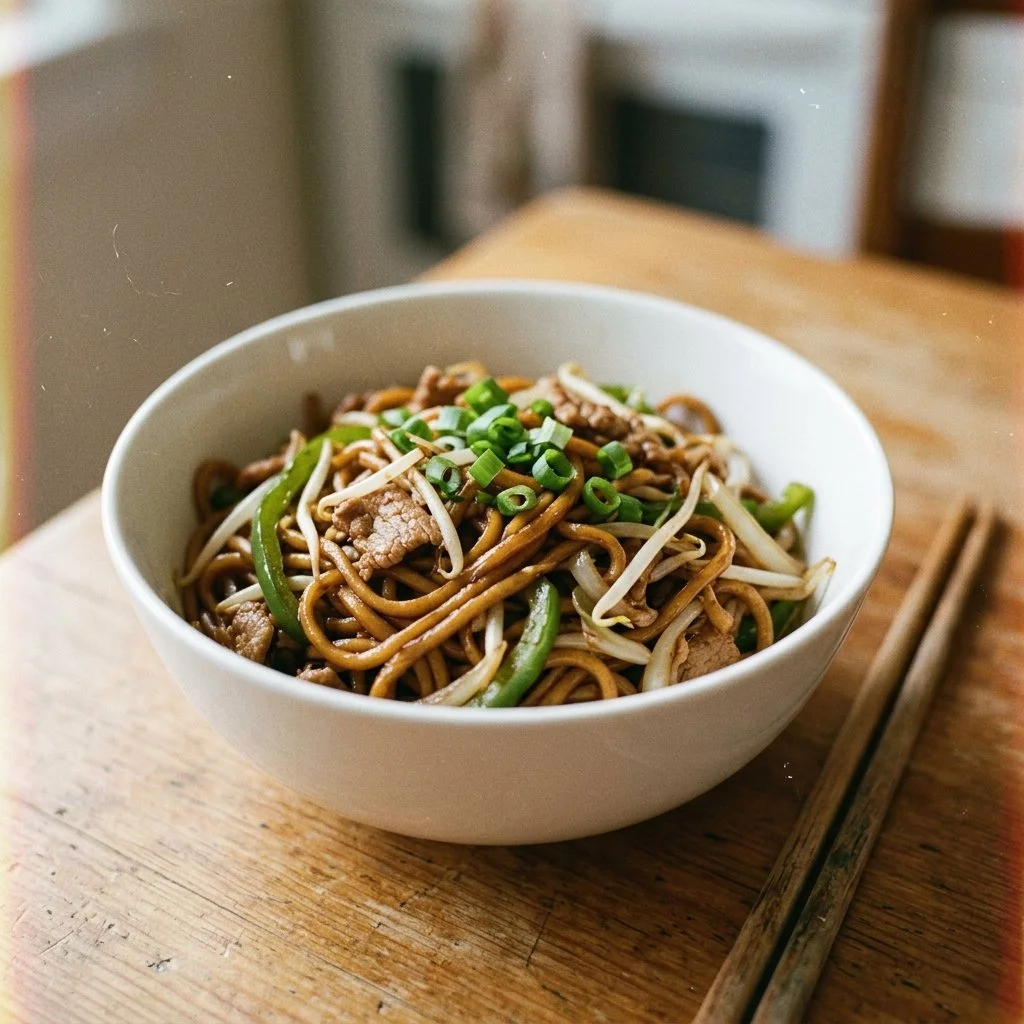
Classic Chinese Fried Noodles
Ingredients
Method
- Begin by boiling a pot of water. Add the chow mein noodles and cook according to the package instructions (usually about 3-4 minutes for fresh; 8-10 minutes for dried). Once cooked, drain and set aside.
- Rinse the noodles in cold water for a minute to stop the cooking process and prevent sticking.
- In a large pan or wok, heat the vegetable oil over medium-high heat until shimmering.
- Add the minced garlic and ginger to the hot oil. Stir-fry for about 30 seconds or until fragrant, but be careful not to let it burn!
- Toss in your mixed vegetables and stir-fry for about 3-4 minutes. Keep the vegetables moving in the pan to ensure they cook evenly.
- Add the cooked noodles and soy sauce. Toss everything together using tongs, ensuring the noodles are well coated and heated through (about 1-2 minutes).
- Finally, season with salt and pepper. Serve immediately for the best texture and flavor.