Perfectly Homemade Pad Thai: Your Ultimate Comfort Food
When the craving for bold flavors and comforting textures strikes, there’s nothing quite like a stir-fry dish of Pad Thai. Picture this: it’s a rainy evening, and the aroma of garlic sizzling in the pan fills your kitchen, inviting family members to gather around the table. This is the rhythm of my home cooking – a blend of laughter, chatter, and deliciousness. This Pad Thai recipe brings back fond memories of family dinners where we would each customize our plates, loading them with crushed peanuts and cilantro, and watching each other’s reactions with every delightful bite.
What makes this Pad Thai truly special is the authenticity born from years of perfecting the sauce – a harmony of sweetness, saltiness, and tang that dances on your palate. While many versions exist, this one stands out due to its balance of flavors and the love put into each step. It’s not just about a meal; it’s about the emotions it evokes and the memories it creates. In this blog, you’ll learn how to recreate this beloved dish with step-by-step instructions, expert tips, and plenty of opportunities for customization. Prepare to impress your family and friends with this homemade delicacy that will transport you straight to the streets of Bangkok!
What Are Pad Thai?
Pad Thai is more than just a noodle dish; it’s a culinary icon that reflects the rich history of Thailand. Originating in the 1930s, it was heralded as a symbol of national identity and quickly became a staple in Thai cuisine. The dish features stir-fried rice noodles mingled with protein—commonly shrimp or chicken—all tossed in a tangy-sweet sauce that includes tamarind, fish sauce, and sugar.
The taste of Pad Thai can be described as a delightful balance of textures and flavors. The rice noodles are soft yet slightly chewy, while the veggies provide a perfect crunchy contrast. When you add the mild heat from crushed peanuts and the freshness of cilantro, every bite is a symphony of taste. Pad Thai is perfect for weeknight dinners or casual gatherings when you want to wow your guests with your culinary skills.
Why You’ll Love This Recipe
Superior Flavor: Homemade is always better! This recipe, enriched with homemade sauce, offers a savory punch that store-bought versions can’t match. You’ll never want to return to takeout again!
Affordability: Eating out can quickly add up. This recipe requires simple, inexpensive ingredients, making it a budget-friendly culinary endeavor. You can whip up a dish for just a fraction of the cost of a restaurant meal!
Self-Customization: Here’s where the fun truly begins! Whether you’re a vegetarian or a meat-lover, you can play with the ingredients. Go ahead and replace chicken with tofu or shrimp, or add extra vegetables like snap peas or mushrooms!
Ease of Preparation: With a total cooking and prep time of about 30 minutes, you’ll have delicious Pad Thai on the table in no time. This easy recipe is perfect for both novice cooks and seasoned chefs looking for a quick meal!
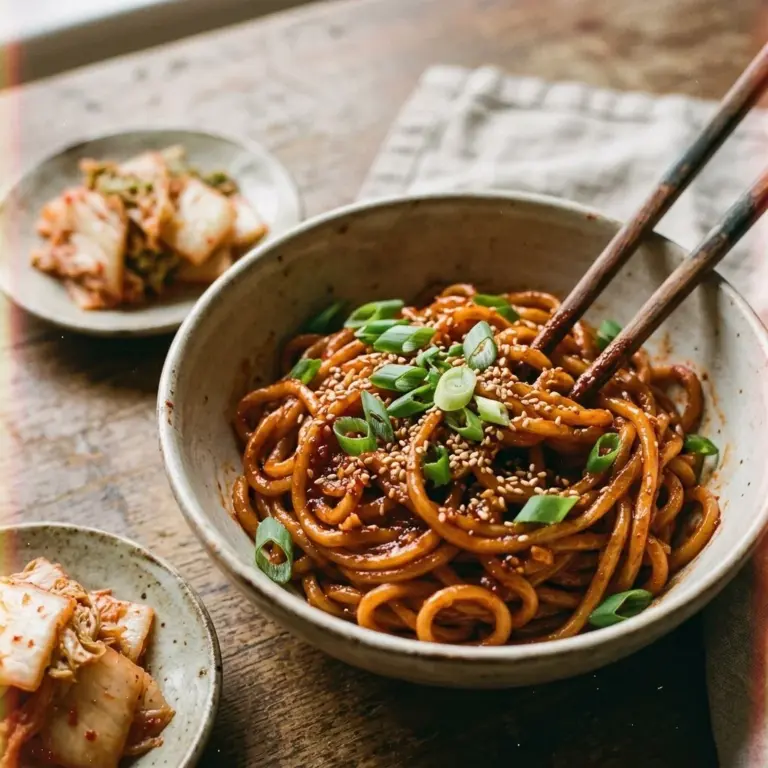
Impressive Presentation: Serve your homemade Pad Thai topped with a sprinkle of cilantro and crushed peanuts, and watch as your family’s eyes light up. It’s a dish that’s as pleasing to the eye as it is to the palate.
Ingredients
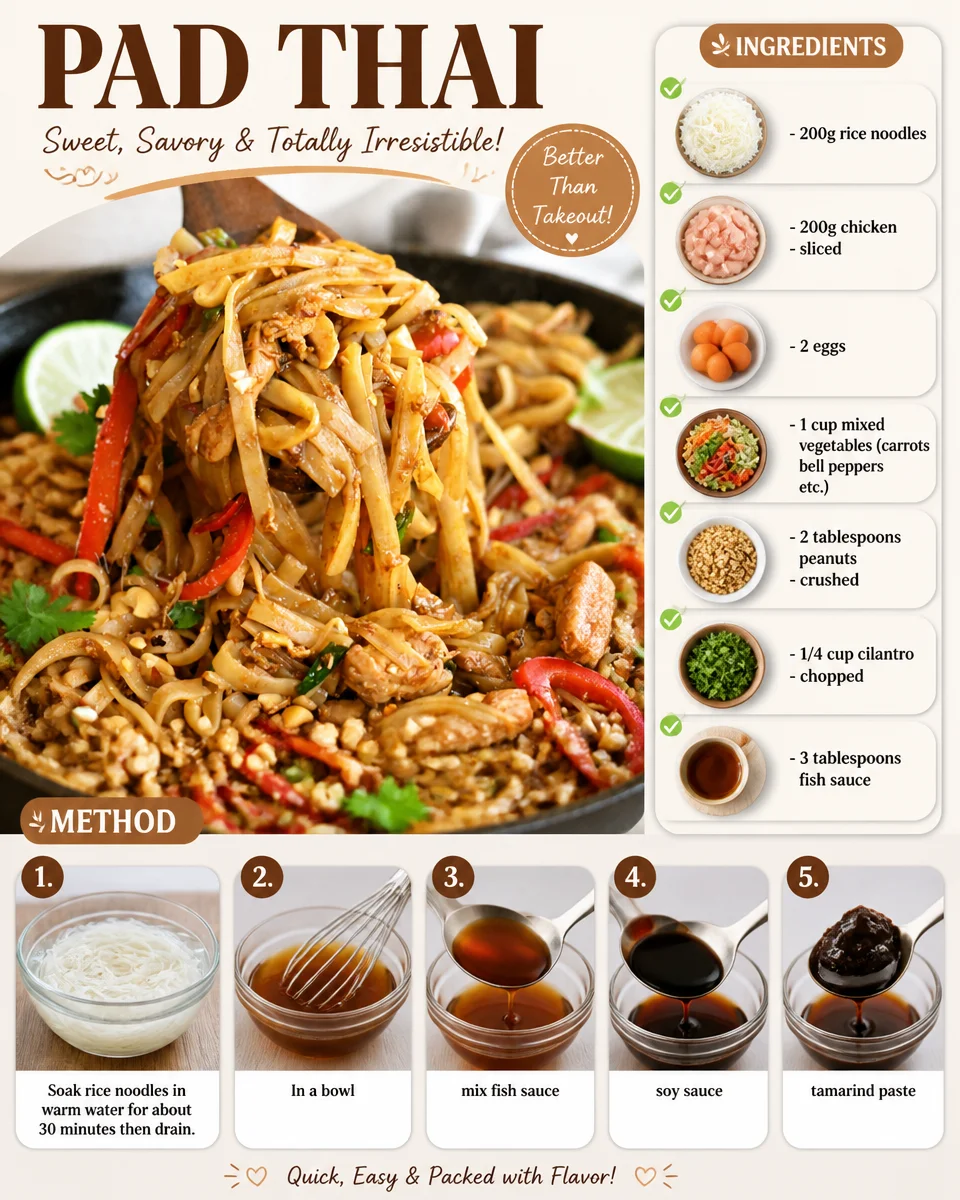
- 200g rice noodles: Opt for high-quality rice noodles for authentic texture. Look for brands like Thai Kitchen or Annie Chun’s.
- 200g chicken, sliced: You can substitute this with shrimp or tofu based on your preference.
- 2 eggs: Eggs add richness – choose organic for the best flavor.
- 1 cup mixed vegetables (carrots, bell peppers, etc.): Fresh vegetables will give the best flavor. Feel free to use any seasonal vegetables you enjoy.
- 2 tablespoons peanuts, crushed: You can swap these for cashews if you prefer.
- 1/4 cup cilantro, chopped: For a burst of freshness!
- 3 tablespoons fish sauce: Essential for that umami flavor.
- 2 tablespoons soy sauce: Make sure to use low-sodium soy sauce to control the salt content.
- 1 tablespoon tamarind paste: This is critical for the signature sweet and tangy flavor.
- 1 tablespoon sugar: Regular granulated sugar works perfectly, but feel free to swap it with brown sugar for a deeper flavor.
- 2 tablespoons oil for cooking: I love using avocado oil for its high smoke point and subtle flavor.
Make sure all your ingredients are at room temperature, as it helps with even cooking!
Step-by-Step Instructions
Soak the Rice Noodles: In a large bowl, soak the rice noodles in warm water for about 30 minutes until they are pliable, then drain and set aside. Chef’s Tip: Use a lid to cover the bowl, which helps the noodles soften faster.
Prepare the Sauce: In a separate bowl, mix together the fish sauce, soy sauce, tamarind paste, and sugar until well combined. This is the key to achieving that authentic Pad Thai flavor!
Heat the Oil: In a wok or large pan, heat oil over medium-high heat until shimmering but not smoking – this usually takes about 1-2 minutes.
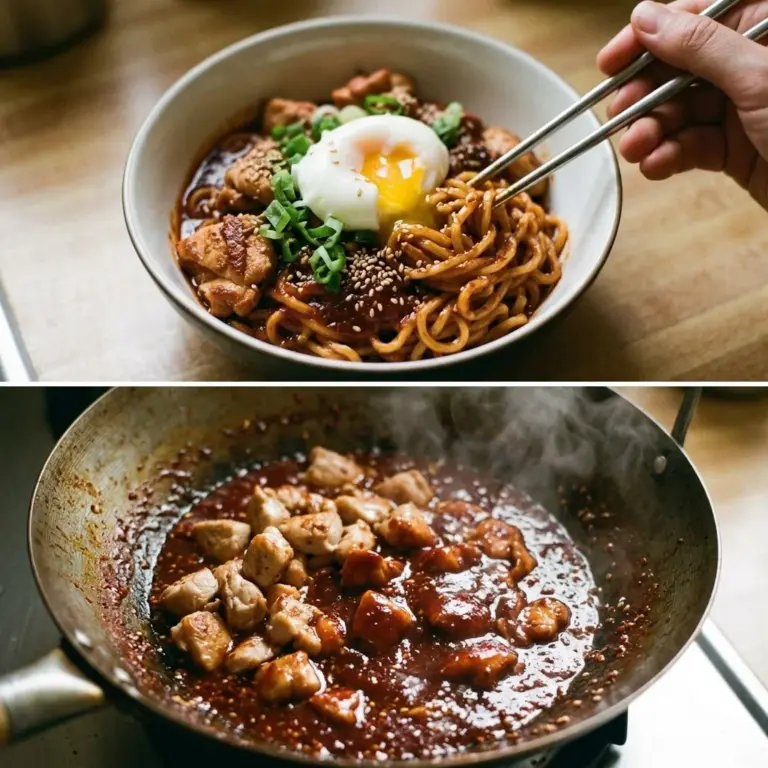
Cook the Chicken: Add the sliced chicken and stir-fry for about 4-5 minutes until cooked through, stirring often to ensure even cooking.
Scramble the Eggs: Push the chicken to one side of the pan, crack the eggs onto the other side, and scramble them until they are just set – this takes about 2 minutes.
Add Vegetables and Noodles: Add your mixed vegetables and the drained, soaked noodles to the pan. Pour in the Pad Thai sauce and stir-fry everything together for about 3-4 minutes, ensuring all the noodles and vegetables are well coated.
Serve: Transfer your Pad Thai to serving plates and top generously with crushed peanuts and chopped cilantro.
Expert Tips & Troubleshooting
Don’t Overcook the Noodles: Keeping them slightly undercooked while soaking allows them to absorb all the delicious Pad Thai sauce without turning mushy.
Storage: Leftovers can be stored in an airtight container in the fridge for up to 3 days. Reheat in a pan for the best texture.
Make-Ahead: You can prepare the sauce in advance and store it in the fridge for up to a week. Just give it a good stir before using!
Common Problems: If the dish is too salty, try adding a dash of lime juice or a little sugar to balance the flavors.
Serving Suggestions
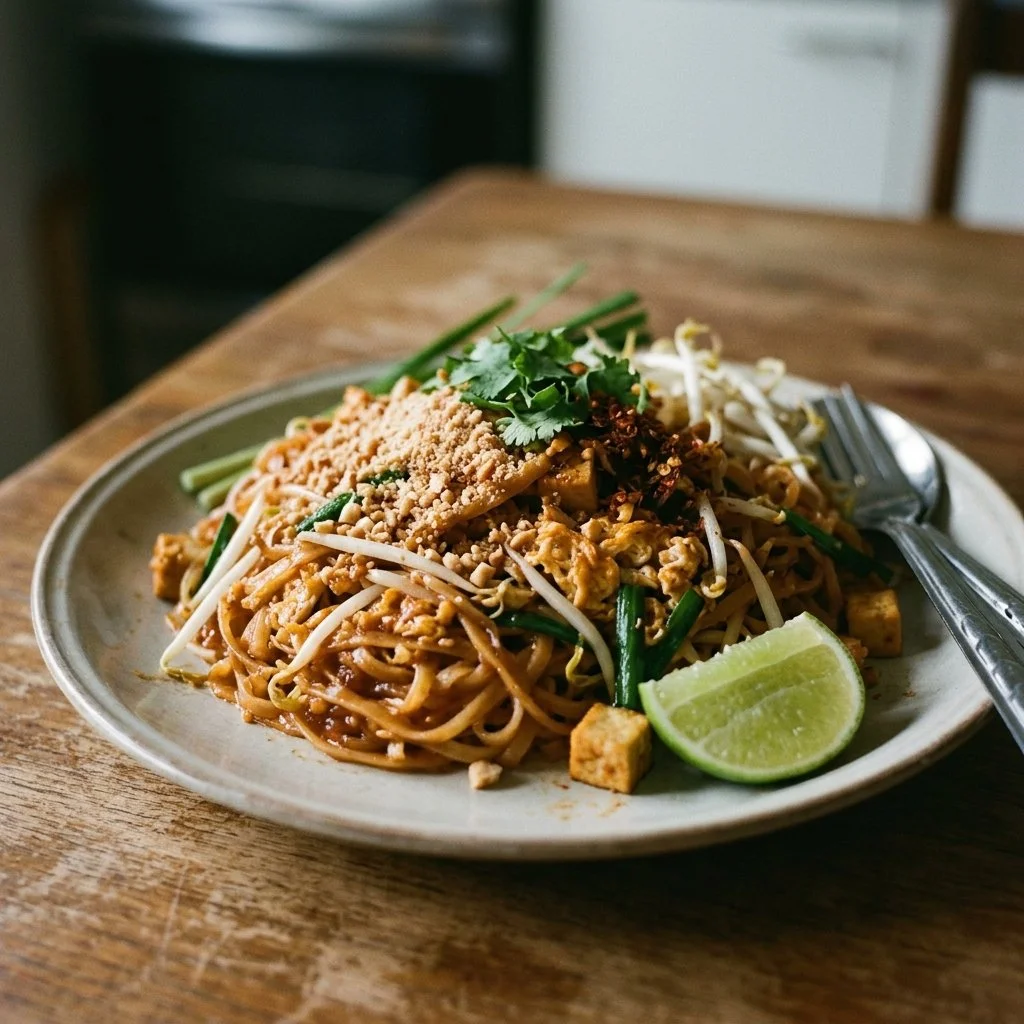
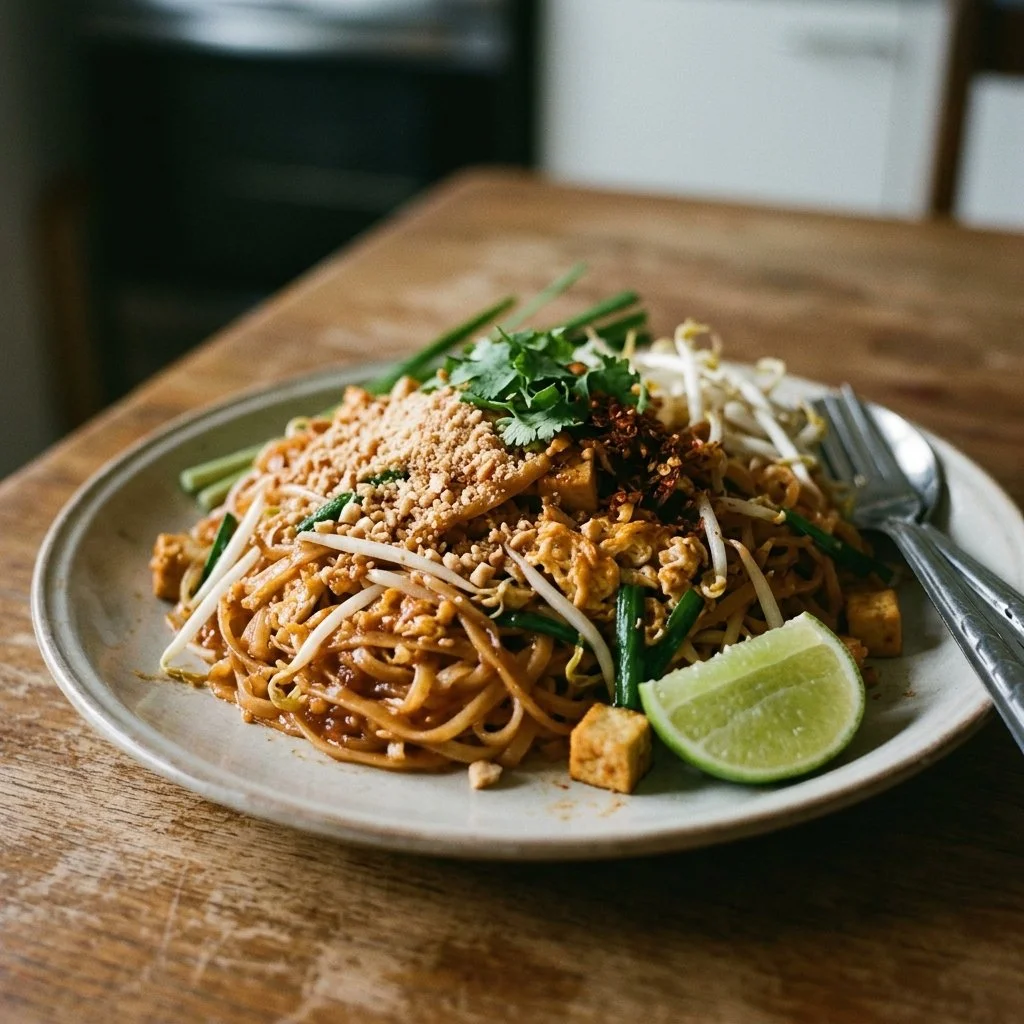
Pad Thai is a dish that speaks for itself, but you can elevate the experience by serving it alongside a refreshing cucumber salad or a side of crispy spring rolls. For a cozy dinner, a warm bowl of miso soup rounds out the meal beautifully. Presentation-wise, don’t be shy to add a lime wedge and a sprinkle of sesame seeds on top for a pop of color and zest!
Variations & Substitutions
Vegetarian Version: Replace chicken with tofu and skip the fish sauce in favor of soy sauce or coconut aminos for a fully vegetarian option.
Spicy Kick: Add sriracha or sliced red chili peppers to the stir-fry for a spicy version that packs a punch!
Seasonal Variations: In fall, add roasted pumpkin or butternut squash; in summer, toss in grilled zucchini or asparagus to highlight seasonal produce.
Nutrition & Storage Info
- Prep Time: 10 minutes
- Cook Time: 20 minutes
- Total Time: 30 minutes
- Yield: 4 servings
- Estimated Calories Per Serving: 450 calories
- Storage Instructions: Leftovers can be stored in the fridge for 3 days. Avoid freezing, as it can affect the texture of the noodles.
FAQ Section
Can I use other proteins?
Absolutely! This recipe works well with shrimp, beef, or even chickpeas for a vegetarian twist.What if I can’t find tamarind paste?
A mix of lime juice and brown sugar can be a decent substitute if necessary.How can I make Pad Thai gluten-free?
Just use gluten-free soy sauce or tamari and ensure your noodles are certified gluten-free.What’s the best way to reheat leftovers?
Reheat in a skillet over low-medium heat to keep the noodles from becoming gummy.Can I make this vegan?
Yes! Simply omit the eggs, use tofu instead of chicken, and stick with plant-based sauces.How spicy is this recipe?
It’s fairly mild as is, but you can adjust to your preference by adding chilies or sriracha!What is the best way to serve Pad Thai?
Serve immediately after cooking for the best flavor and texture. Add fresh toppings for added taste!Can I prep ingredients in advance?
Yes! Chop your veggies and store them in the fridge to save time during cooking.Does Pad Thai contain nuts?
Traditional recipes often include peanuts; feel free to omit them if there are allergies.What’s the origin of Pad Thai?
It was popularized in Thailand during the 1930s as a way to promote rice noodles and has become a staple dish ever since!
Conclusion
This Pad Thai recipe is not just a dish; it’s an experience wrapped in familiar flavors that evoke nostalgia and warmth. By following this easy recipe, you can recreate those cozy memories with every stir-fry. I encourage you to give it a try and tweak it to match your taste – share your feedback or memories in the comments below. And don’t forget to explore other recipes on my blog that celebrate the magic of homemade food, like my Thai Green Curry or Spring Rolls! Happy cooking!
Pad Thai
Ingredients
Method
- Soak the rice noodles in warm water for about 30 minutes until pliable, then drain and set aside.
- In a separate bowl, mix together the fish sauce, soy sauce, tamarind paste, and sugar until well combined.
- In a wok or large pan, heat oil over medium-high heat until shimmering.
- Add the sliced chicken and stir-fry for about 4-5 minutes until cooked through.
- Push the chicken to one side of the pan, crack the eggs onto the other side, and scramble until set.
- Add the mixed vegetables and drained noodles to the pan, then pour in the Pad Thai sauce, and stir-fry for about 3-4 minutes.
- Transfer your Pad Thai to serving plates and top generously with crushed peanuts and cilantro.